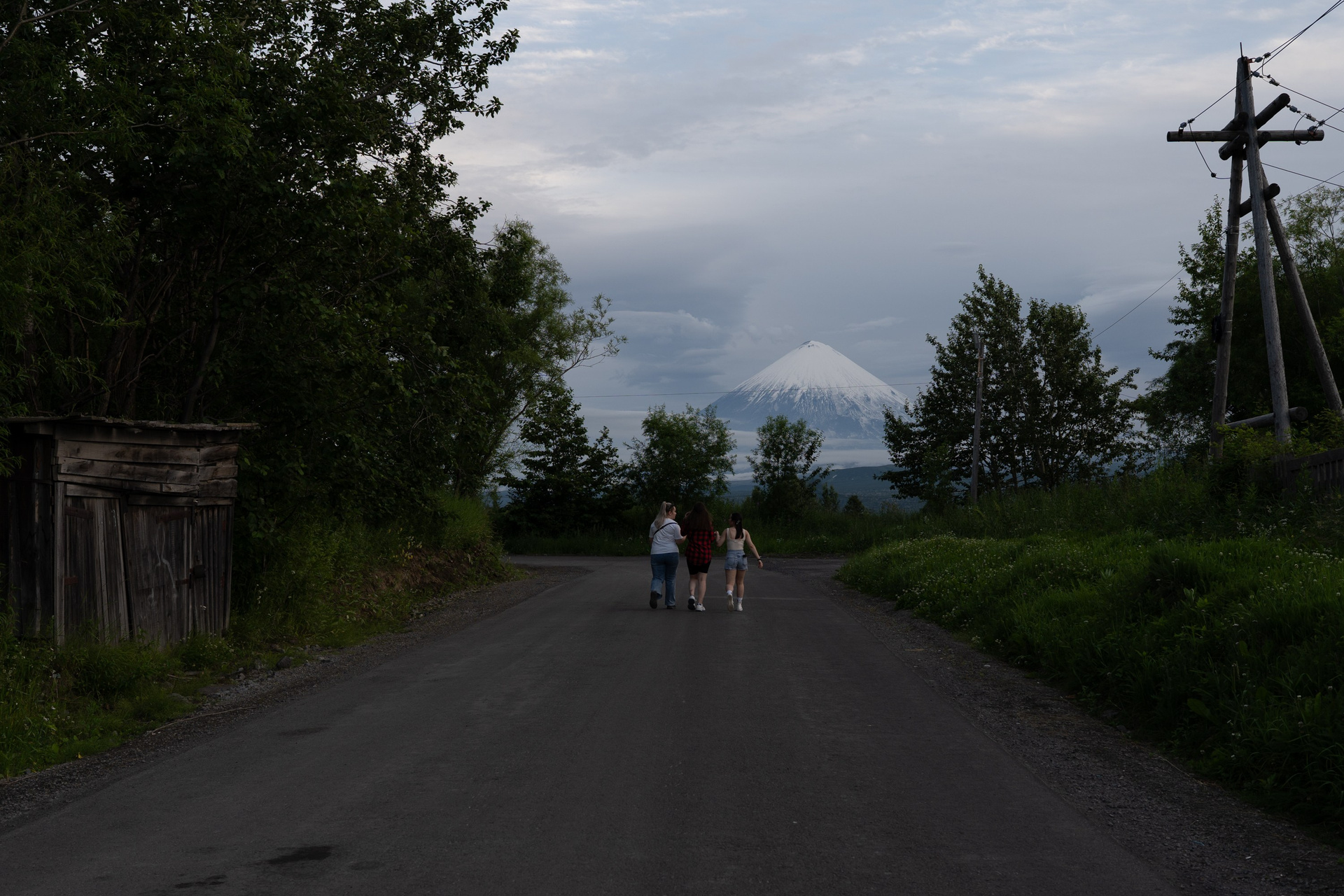
Portrait of Klyuchi. The place where Soviet history, cultural initiatives, and daily life coexist in a remote volcanic landscape.
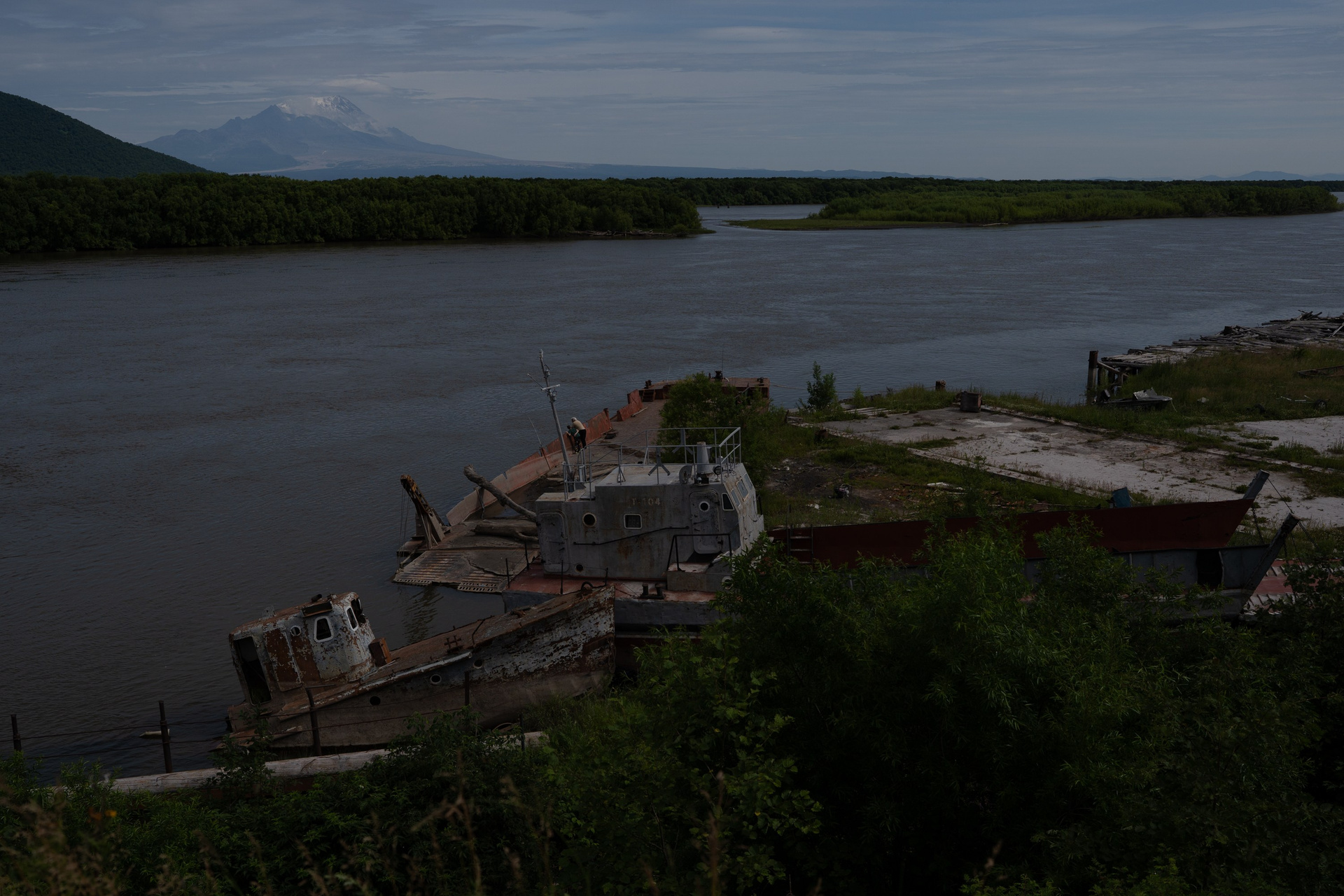
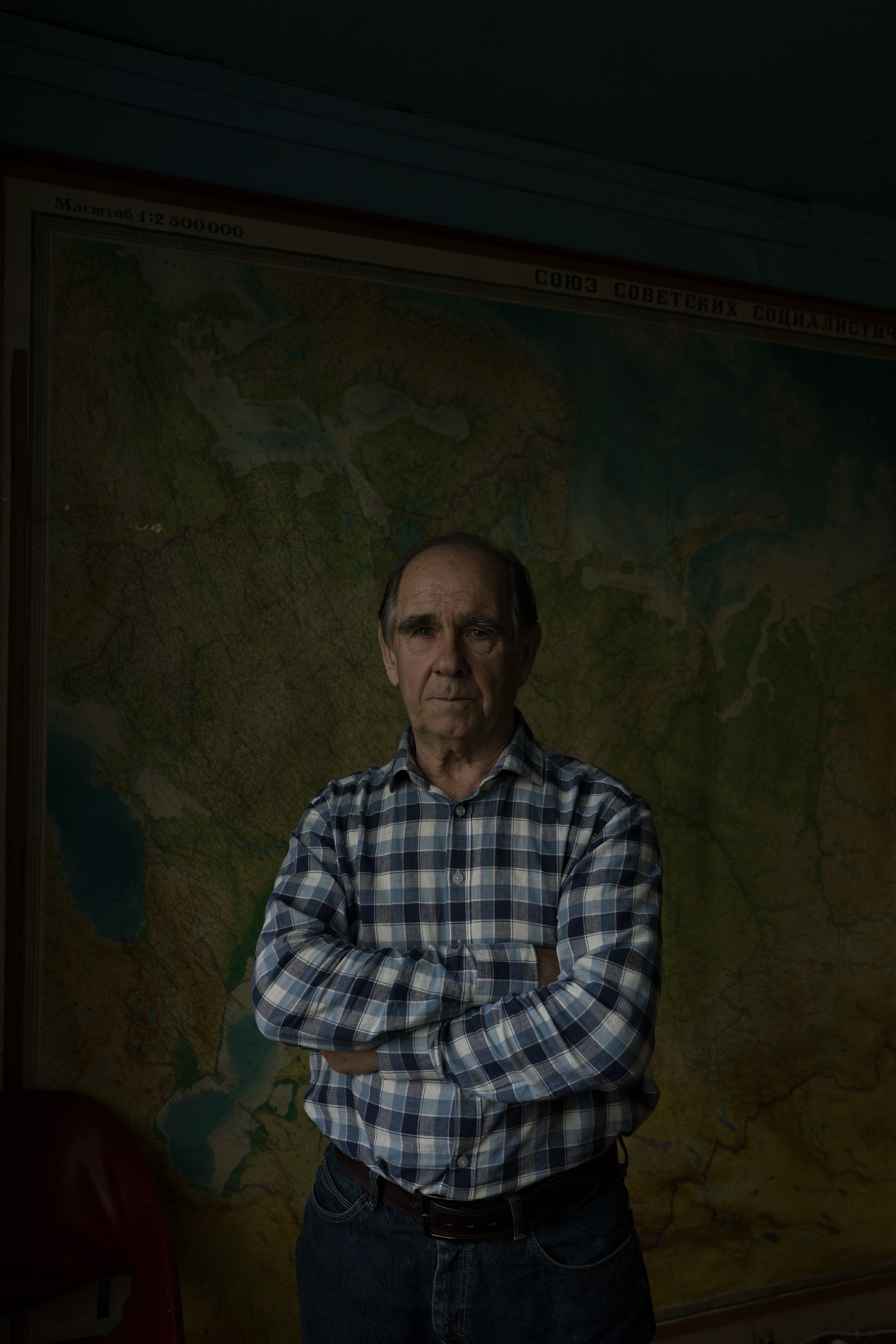
Almost 600 kilometers separate the rural settlement of Klyuchi from the capital of Kamchatka Krai, Petropavlovsk-Kamchatsky. Without a private car, the journey takes around ten hours by an old, decommissioned bus stopping in small settlements along the way. In July, Klyuchi appears almost deserted, yet it lies beneath ancient volcanoes that have shaped its history. In 1935, the Soviet Union’s first volcanology station opened here, and from 1979 to 2004 Klyuchi held city status, thriving as a major timber industry center with over 11,000 residents.
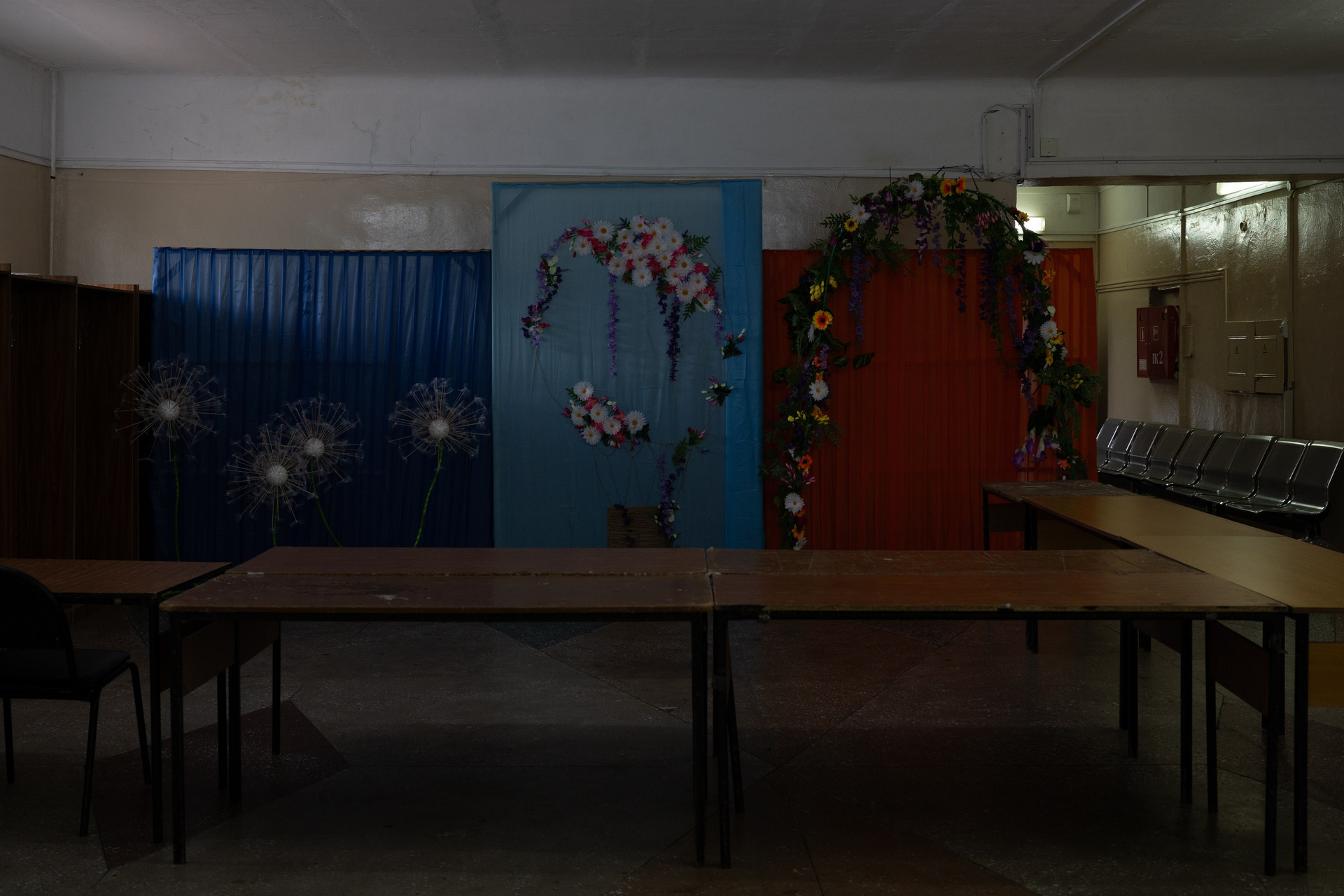
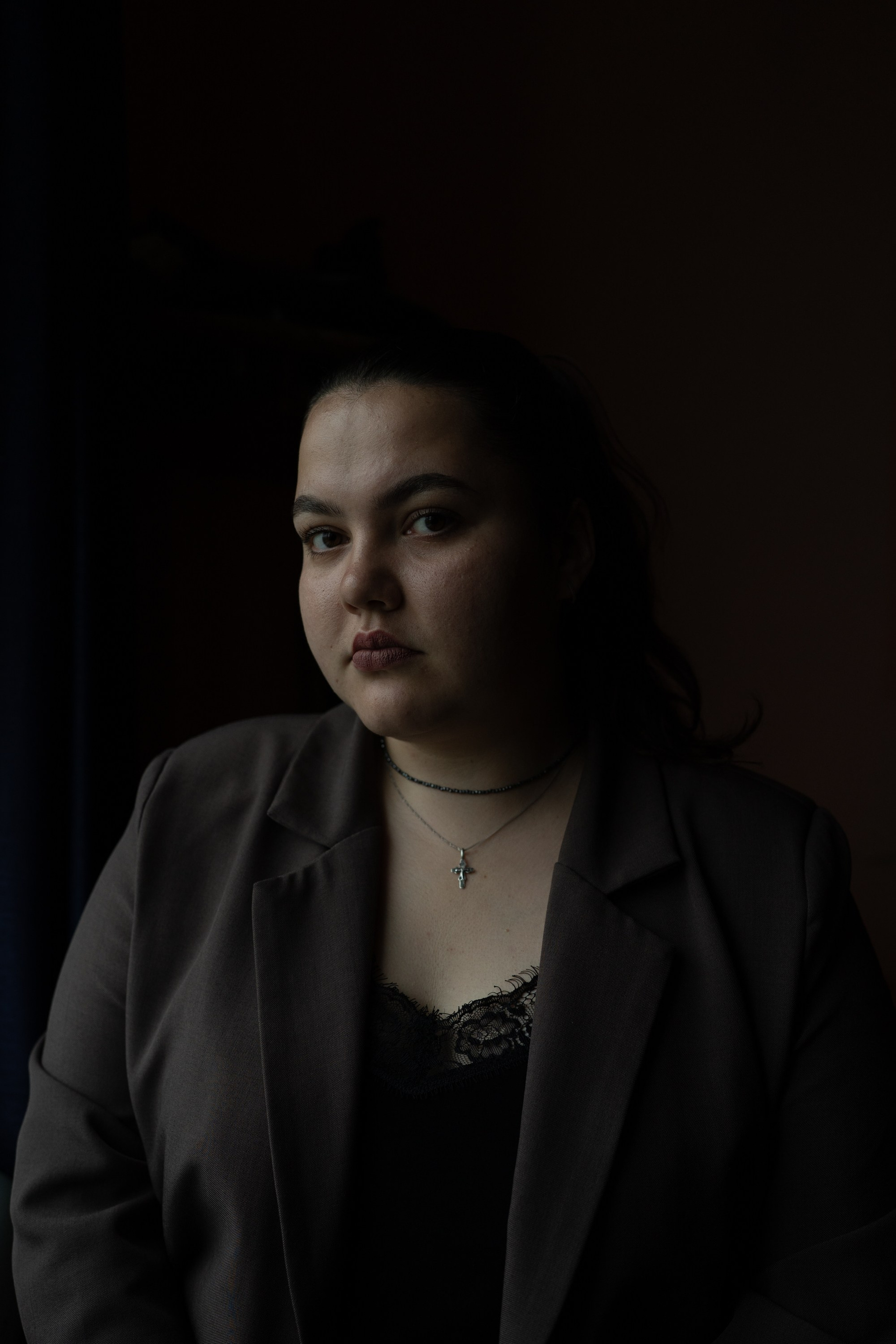
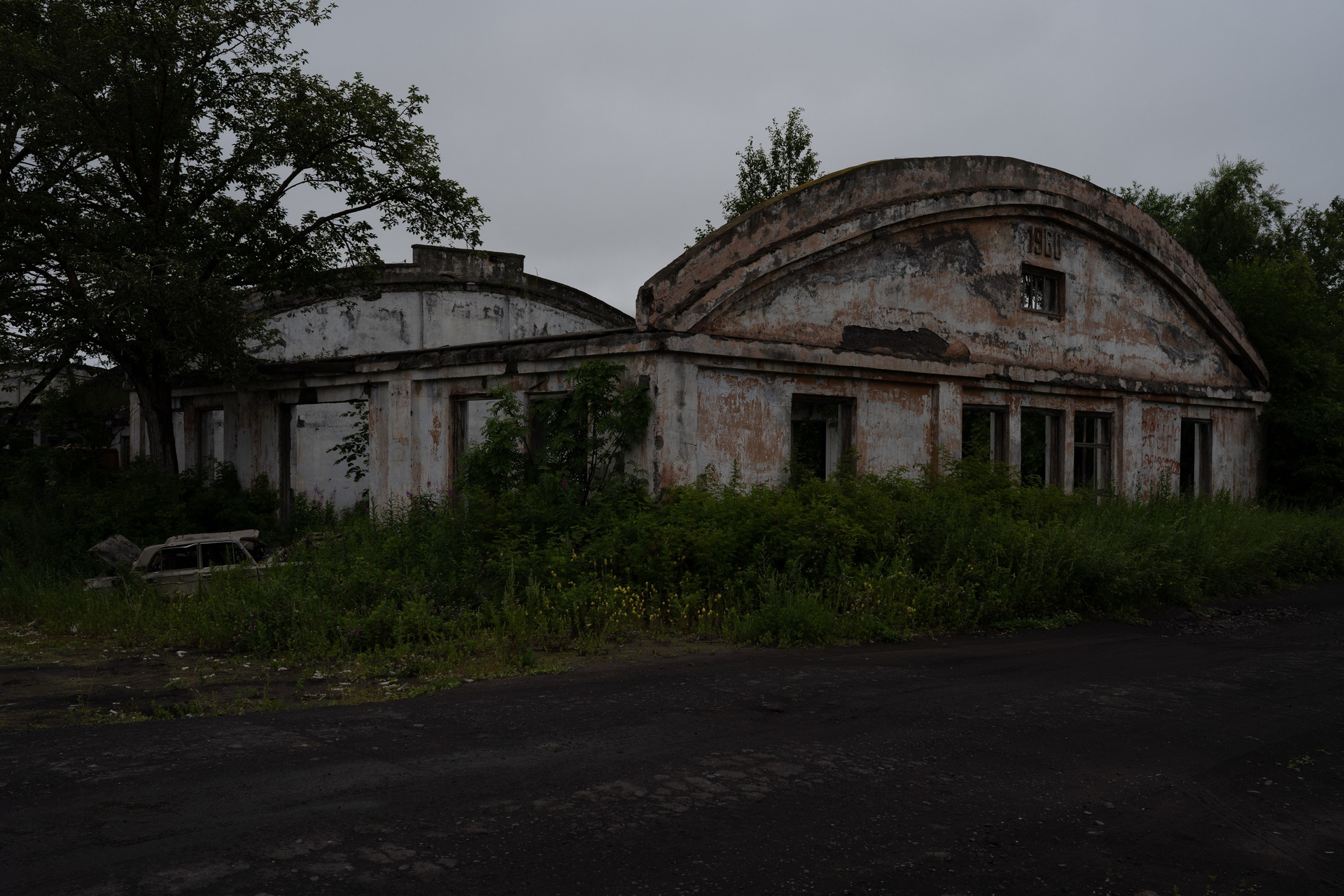
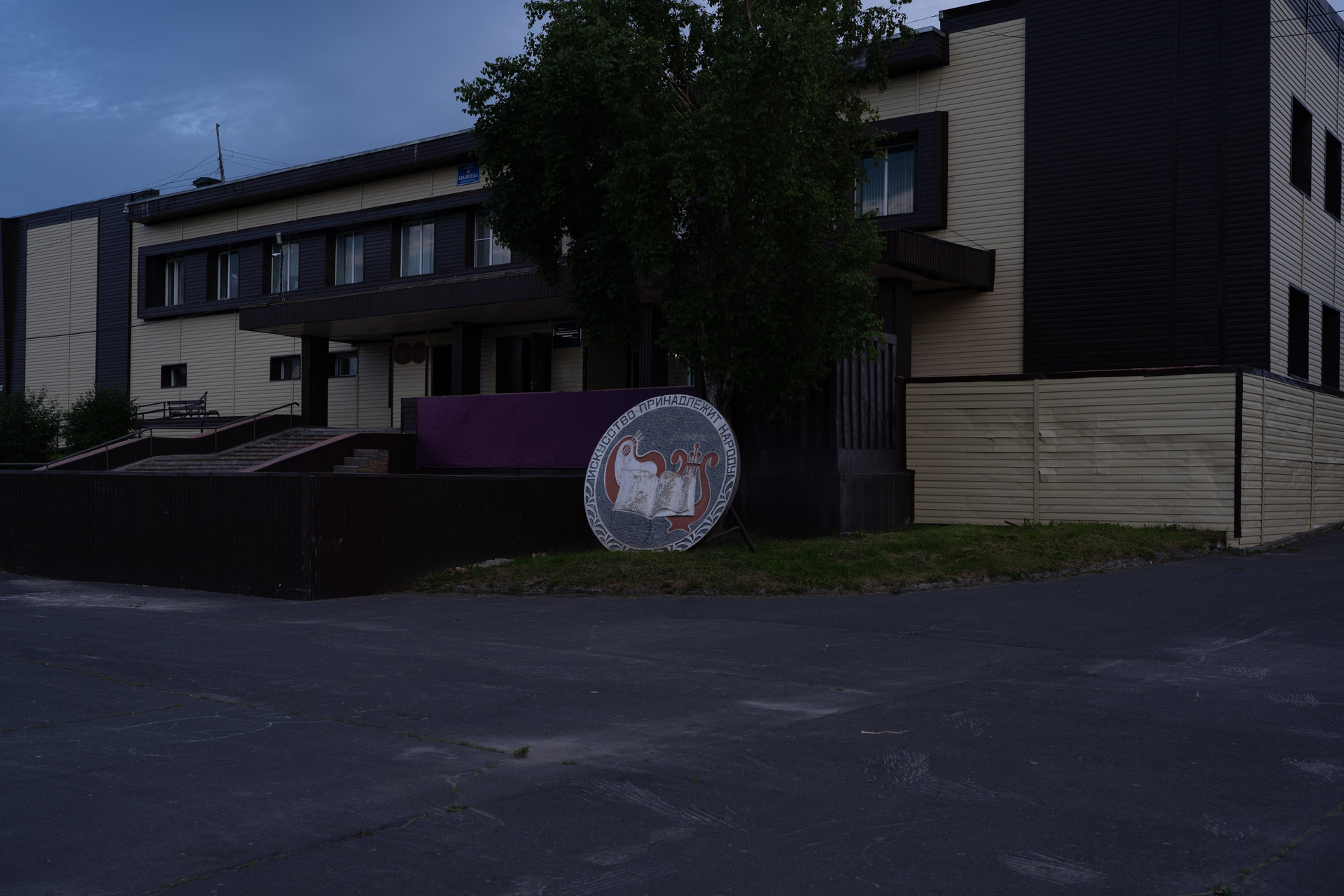
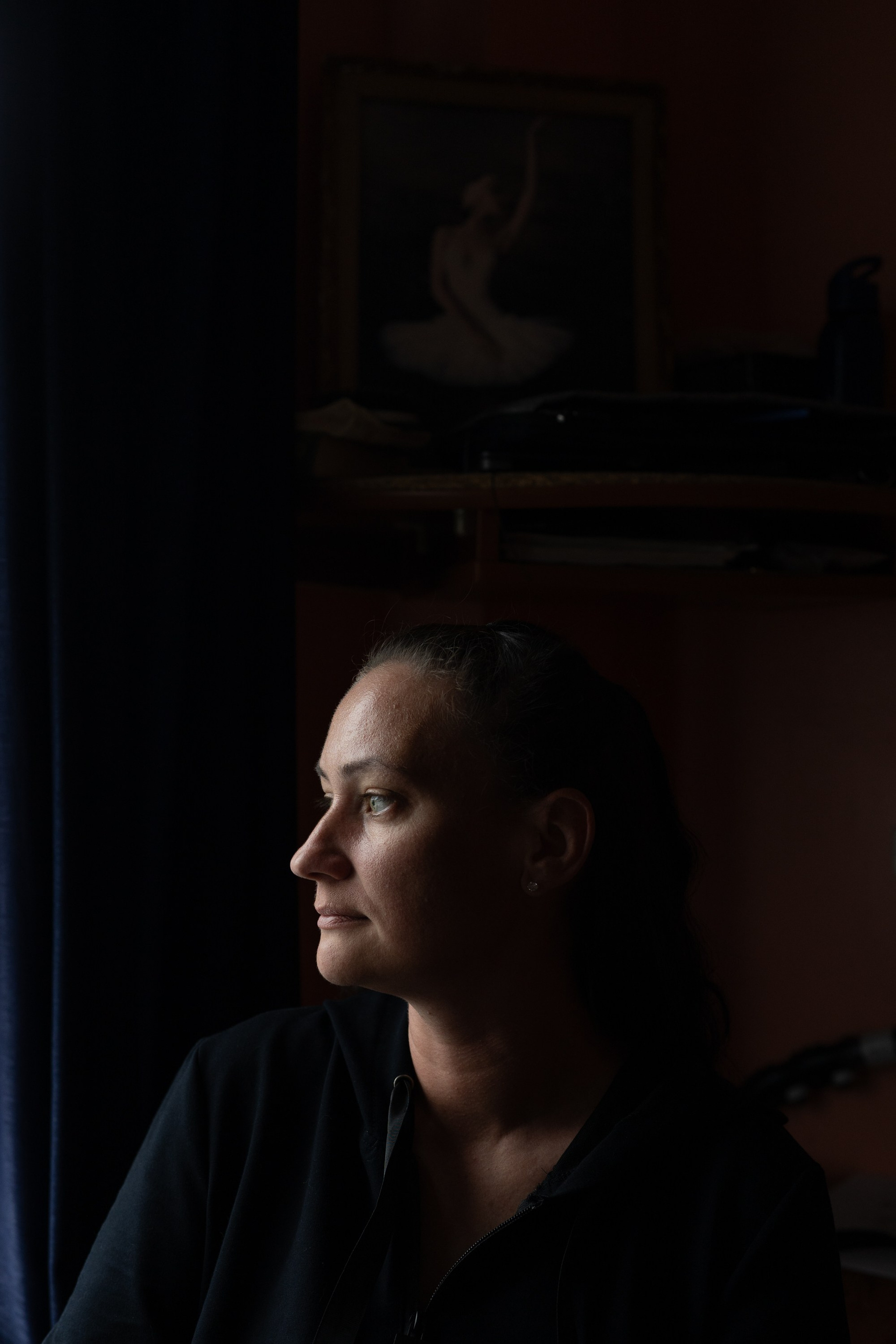
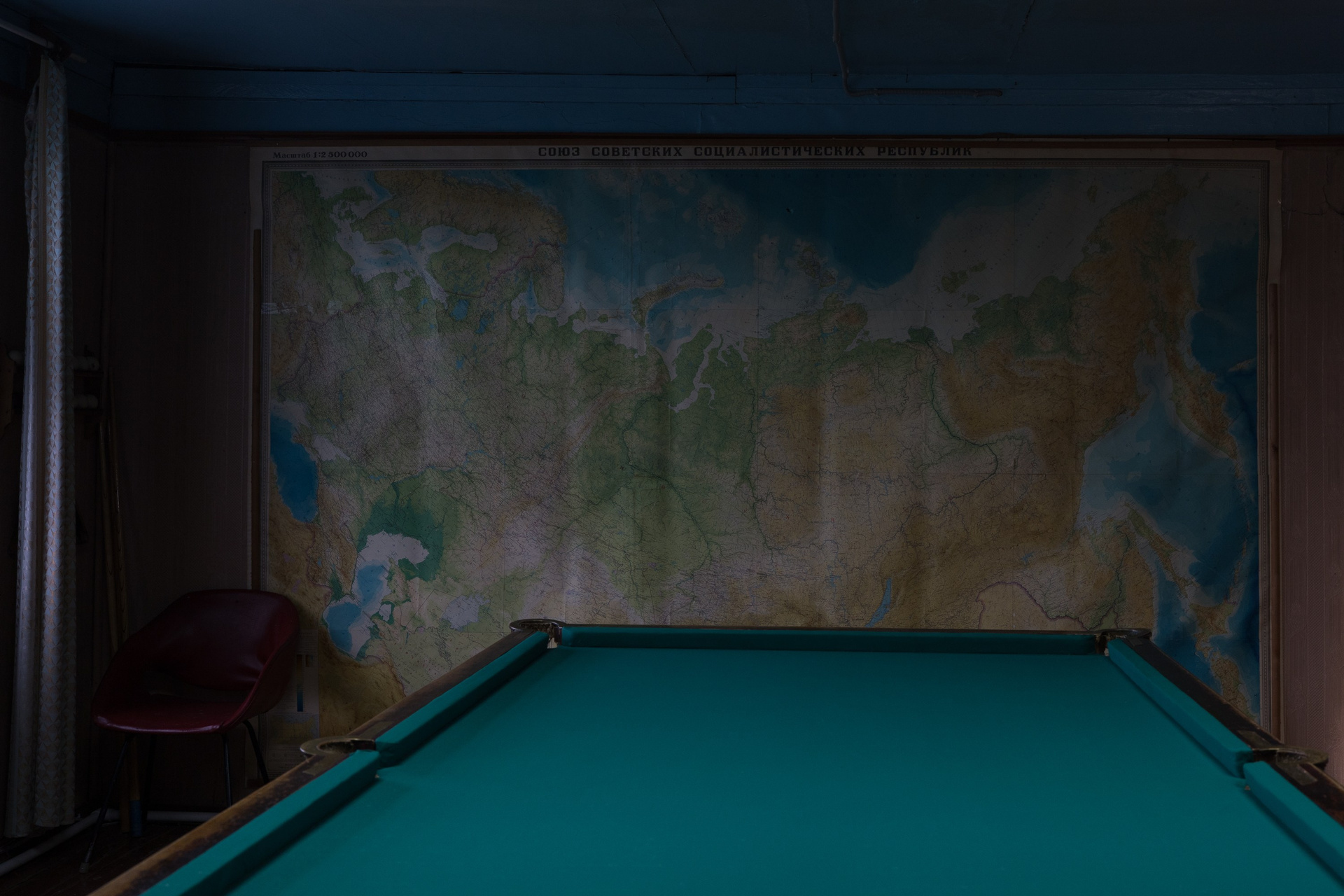
Today, only about 4,000 people remain, and ruined facades recall its former significance. A Soviet monument reading «Art belongs to the people» stands near the Leisure and Culture Center and the Library. Despite expectations of decline, cultural life persists through young women who lead vocal and dance groups, organize concerts, and create community events. Beneath the unchanging volcanoes, Klyuchi continues to transform, raising questions about memory, loss, and the role of the future in shaping meaningful human life.